
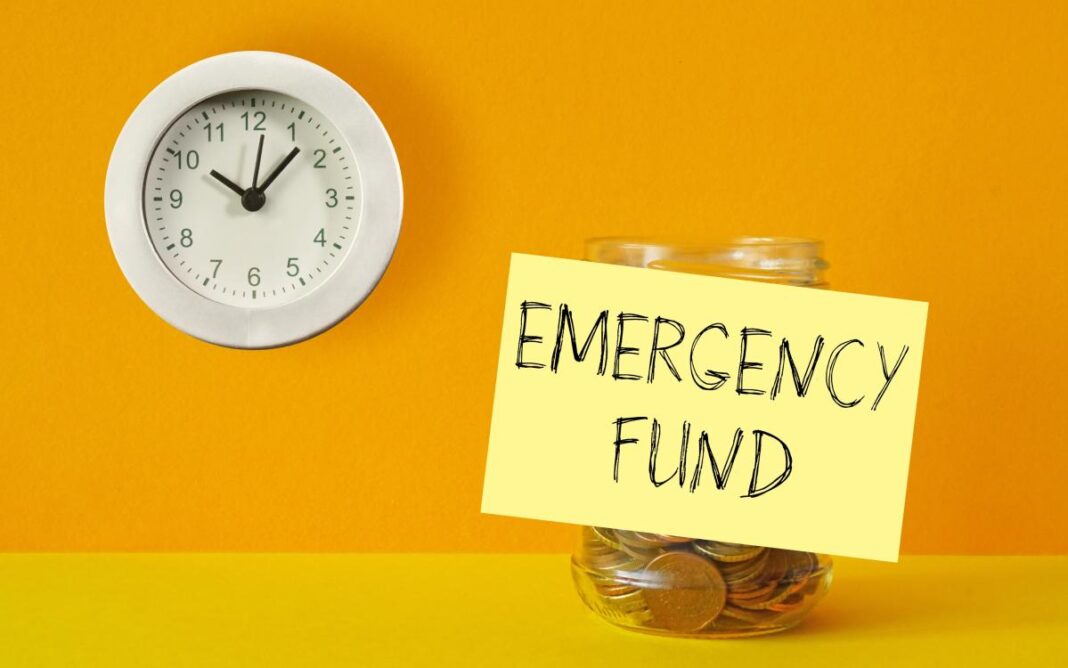
Building an emergency fund is a foundational step in personal finance. It provides a liquid safety cushion to meet unplanned expenses such as job loss, medical emergencies or urgent home repairs. For Indians facing variable incomes, rising healthcare costs and growing household liabilities, an emergency corpus reduces the need to borrow at high interest and preserves long term investments. A well structured emergency fund improves financial resilience and supports steady financial planning.
Why an emergency fund matters
An emergency fund protects against immediate financial shocks. Without one, households may be forced to liquidate long term investments, stop regular savings plans or rely on expensive credit. In India the recommendation for a contingency buffer has become standard advice among financial educators and regulators because it reduces financial vulnerability and preserves wealth accumulation. Evidence from household finance studies and financial education bodies underlines the importance of a ready cash cushion.
How much should one keep
Most Indian financial advisers and national financial education initiatives recommend keeping three to six months of essential living expenses as a base emergency fund. For people with unstable incomes, single earners, or those with large monthly obligations such as high EMIs or dependent family members, the advised corpus can extend to nine or twelve months. The exact size should reflect job security, monthly fixed costs and existing insurance cover. Policymaker guidance and financial literacy campaigns promote the three to six month rule as a practical starting point.
What emergencies it should cover
An emergency fund should cover events that require immediate liquidity. Typical examples in the Indian context are sudden unemployment, major medical treatment not fully covered by insurance, urgent home repairs, and short term family support obligations. In metro cities medical bills and hospitalisation costs can be substantial; having liquid resources prevents distress sales of assets and protects retirement savings. The emergency fund is complementary to insurance and not a substitute for adequate health or life cover.
Where to park the emergency corpus
Accessibility and capital preservation are the primary criteria. Suitable options commonly recommended in India are high interest savings accounts, short term fixed deposits, and liquid or ultra short duration mutual funds. These instruments offer quick access and lower volatility compared with equity investments. Investors should consider tax implications on interest and short term gains when choosing a vehicle, since interest from savings accounts is taxable and mutual fund gains follow capital gains rules. Maintaining part of the corpus in an immediately accessible savings account and part in a slightly higher returning liquid fund gives a balance of safety and yield.
How to build the fund
A practical approach is to treat the emergency corpus as a financial goal and allocate a fixed monthly amount until the target is reached. Small, regular contributions using automated transfers or a systematic investment plan into short duration instruments can make the target achievable without disrupting monthly expenses. Households may also accelerate the corpus by redirecting bonuses or windfalls, but must avoid dipping into retirement or child education funds. Financial planners often recommend maintaining the emergency fund first before committing to long term market linked investments.
Interaction with insurance and debt
An emergency fund and insurance work together. Adequate health insurance reduces the likelihood of a medical expense wiping out the corpus, while life insurance protects dependants from income loss. Where insurance is limited or absent, a larger emergency fund is sensible. The immediate benefit of holding a contingency fund is the capacity to avoid high cost borrowing from credit cards or personal loans, which can carry interest rates far higher than returns on safe instruments. Avoiding debt preserves creditworthiness and reduces long term financial stress.
Practical tips and tax considerations
Keep the fund separate from regular savings and label the account to reduce temptation. Review the corpus annually and increase it if household expenses rise. Remember that interest on savings accounts is taxable though individuals can claim a limited deduction under section 80TTA. Gains on liquid mutual funds are taxed under capital gains provisions and may be added to an investor’s total income depending on holding period and recent tax rules. Tax treatment should inform the choice of parking vehicle but should not outweigh liquidity and capital preservation priorities.
Conclusion
For Indian households and individuals, an emergency fund is a smart money move that strengthens financial resilience, protects long term goals and reduces dependence on costly borrowing. The recommended starting point is three to six months of essential expenses, adjusted for job stability, family responsibilities and insurance cover. Parking the corpus in accessible and low risk instruments while keeping tax implications in mind helps maintain both safety and practical utility. Building and maintaining this fund is a disciplined but achievable step that supports wider financial security.