
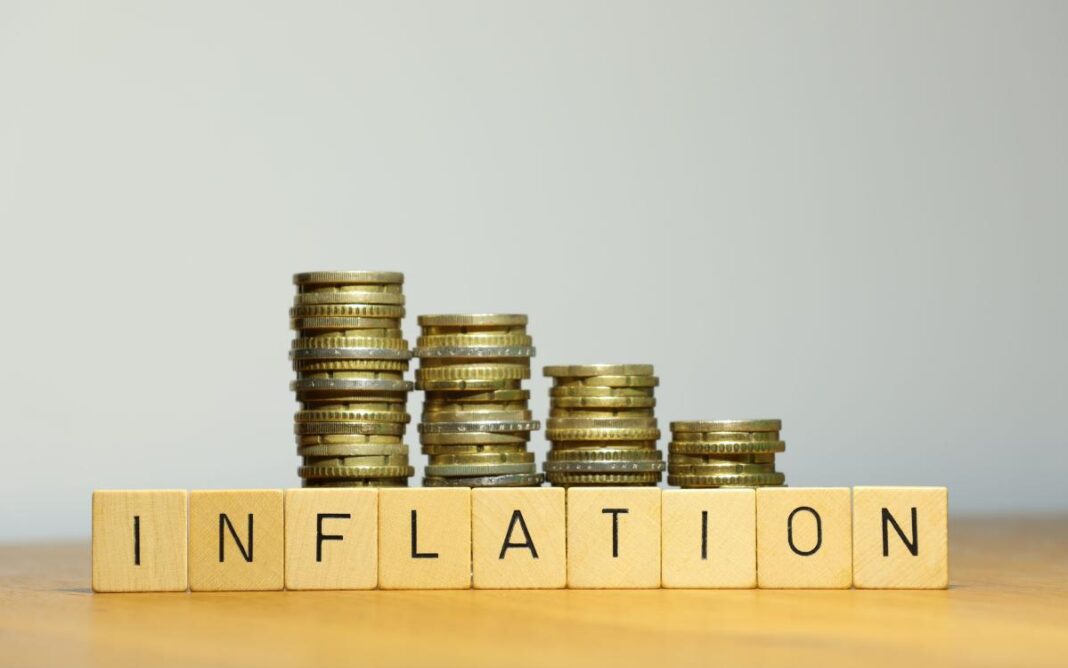
Inflation is one of the most important factors that can affect your retirement planning, yet many people underestimate its long-term impact. In simple terms, inflation refers to the rise in the prices of goods and services over time. When inflation increases, the value of money decreases. What you can buy for one hundred rupees today may cost one hundred fifty rupees in the future. For people planning their retirement, inflation plays a major role in determining how much money they need to save and how long their savings will last.
The country has seen consistent inflation over the years due to economic growth, increased consumption, changing global markets, and rising cost of essentials. If you do not account for inflation while planning retirement, you may find that your savings are not enough to maintain your lifestyle in your later years.
Your Future Living Expenses Will Be Much Higher
Inflation affects almost every aspect of daily life. Items like food, fuel, electricity, transport, and healthcare become more expensive over time. For example, a monthly grocery bill that costs five thousand rupees today will likely be far higher twenty or thirty years from now. When you retire, your income may stop or reduce significantly, but your expenses will continue to rise.
For Indian households, this matters even more because family responsibilities often extend well into retirement. Many people continue supporting children or helping with their grandchildren, which adds to everyday costs. Without proper planning, inflation can slowly reduce your purchasing power and put pressure on your savings.
Healthcare Expenses Increase Faster Than General Inflation
Healthcare costs are rising steadily, and often faster than than general inflation. Consultation fees, medicines, diagnostic tests, and hospitalisation costs continue to go up every year. As you grow older, your healthcare needs are likely to increase. This means you will spend a larger share of your retirement income on medical expenses.
If your retirement savings do not factor in rising medical costs, you may find yourself dipping into emergency funds or selling assets to pay for treatment. This is why health insurance and a separate medical emergency fund are crucial for every retirement plan.
Fixed Income Investments May Fail to Beat Inflation
Many traditional Indian investors prefer fixed deposits, recurring deposits, and savings accounts because these options feel safe. While safety is important, these instruments often offer returns that barely match inflation and sometimes even fall short of it. If inflation is at six percent and your fixed deposit is giving you five percent, you are technically losing money in terms of purchasing power.
Relying solely on fixed-income options for retirement planning can be risky in the long run. Over a period of twenty or thirty years, inflation can significantly reduce the real value of your savings if the returns do not keep pace.
Your Retirement Corpus Needs to Be Larger Than You Expect
A retirement that seems affordable today may not be affordable twenty years later. Inflation forces you to save more than you initially planned. For example, if you believe you need fifty thousand rupees a month for retirement today, you may actually need a much higher amount in the future due to rising prices.
This is why financial advisors recommend creating a retirement plan that considers inflation. Most long-term retirement calculators factor in expected inflation to give you realistic estimates of how much you need to save regularly.
Market-Linked Investments Can Help Fight Inflation
To protect your retirement savings from inflation, you need a balanced investment strategy. Market-linked options, such as equity mutual funds, hybrid funds, and the National Pension System, can offer higher long-term returns than traditional investments. Over longer periods, equities have historically delivered better inflation-adjusted returns.
This does not mean you should invest everything in high-risk instruments. Instead, maintaining a mix of fixed-income options for stability and market-linked investments for growth can help your retirement corpus stay ahead of inflation.
The Importance of Regular Review and Adjustment
Inflation is not constant. It changes based on economic conditions, government policies, and global events. A retirement plan created today may no longer be effective years later if inflation increases unexpectedly. This is why it is important to review your plan regularly.
Every few years, check whether your savings rate, investment choices, and expected retirement corpus still align with inflation trends. Adjusting your plan regularly ensures that you stay on track and protect your future lifestyle.
Inflation is a silent threat that can gradually erode your retirement savings if you do not plan carefully. For Indian households, the impact is even stronger due to rising living costs and growing healthcare expenses. By choosing the right investment mix, building a larger retirement corpus, and reviewing your plan regularly, you can safeguard your future from the effects of inflation.
With smart planning and consistent effort, you can enjoy a comfortable and secure retirement even as prices continue to rise.