
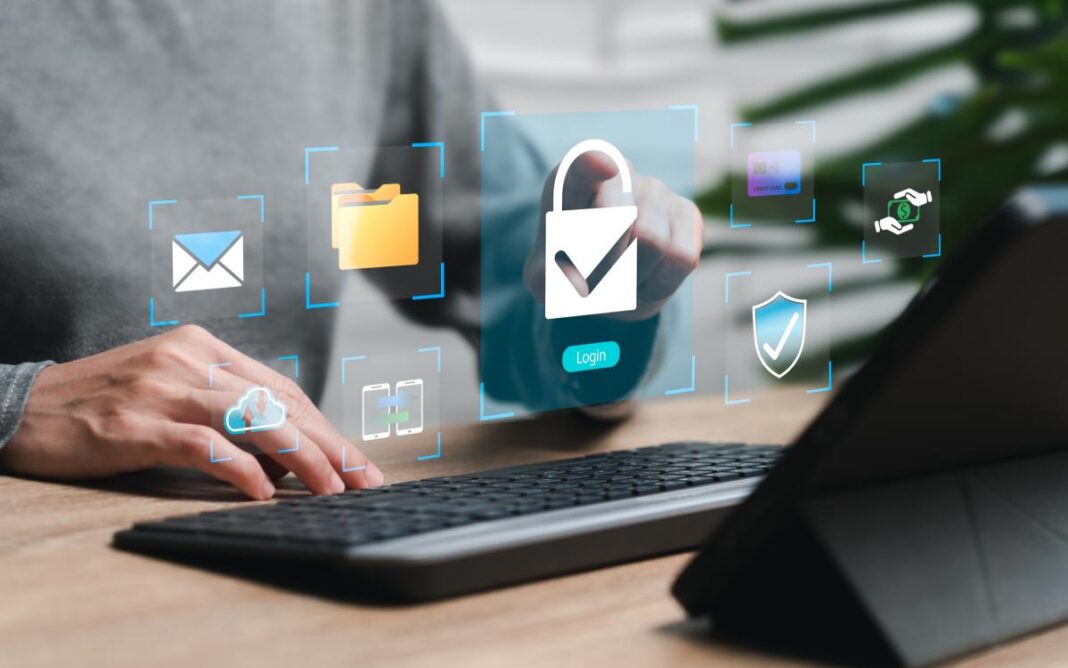
Digital saving tools and financial apps have become common across the country as more people move toward online banking, mobile payments, and app-based money management. These platforms make saving simple, quick, and accessible from any location. Many apps offer features such as automatic savings, expense tracking, investment options, and real-time account updates. As digital habits grow, interest in such tools continues to rise. However, questions about data safety, privacy, and financial security also grow. Understanding how these digital saving tools work and how safe they are has become important for modern financial planning.
Growing Use of Digital Saving Tools
Over the past decade, there has been rapid growth in digital payments and app-based financial services. Online wallets, savings apps, digital banks, and investment platforms have become part of daily life. Many households now use apps to track spending, set saving goals, and invest small amounts at regular intervals. The convenience of making transactions without visiting a bank has encouraged more people, especially younger earner, to shift toward digital money management.
The rise of UPI, affordable smartphones, and faster internet connections has played a major role in making these tools popular. As a result, digital saving apps now serve both urban and rural users, supporting budgeting, long-term goals, and everyday financial tasks.
Types of Digital Saving Tools
A wide variety of digital saving tools are available today, each serving different needs:
Savings and Budgeting Apps
These apps help track income and expenses and show where money is being spent. Automatic reminders and alerts help users stay organised. Many apps also suggest simple saving plans based on spending habits.
Digital Wallets
Platforms such as Paytm, PhonePe, and Google Pay allow easy transfers and payments. Some wallets also offer features like small savings, cashback rewards, or investment options.
Investment Apps
Apps for mutual funds, digital gold, government schemes, and fixed-income products allow small or large investments. Many apps offer simple dashboards, goal trackers, and risk indicators.
Neobanks and Digital Savings Accounts
Neobanks operate fully online without physical branches. These platforms provide savings accounts, spending analysis, and simple money transfers.
Micro-Savings Platforms
Some platforms round off small transactions and save the balance automatically. This helps create a saving habit without effort.
With so many choices, digital tools give the freedom to save, invest, and manage money conveniently.
Safety Concerns Around Digital Saving Apps
Although digital saving tools bring convenience, several safety concerns remain important for public awareness.
Data Privacy
Financial apps collect sensitive information such as personal details, bank account numbers, spending patterns, and device data. Poor data handling practices may expose this information to misuse or unauthorised access.
Cybersecurity Risks
Phishing attacks, fake apps, and malware continue to target financial platforms. Without strong security measures, accounts may face risk from hackers.
Third-Party Integrations
Apps often use third-party tools for payment gateways, analytics, or login systems. Weakness in any third-party system can create security gaps.
Misleading Returns or Hidden Charges
A few apps may promote unrealistic returns or hide fees within terms and conditions. This can lead to financial loss if not understood clearly.
Understanding these concerns helps users stay alert while choosing digital saving tools.
How Digital Saving Apps Protect User Data
Despite risks, many reputable platforms follow strong safety practices to protect financial information. Common safety measures include:
Encryption
Data is encrypted so that no one can read sensitive information even if intercepted.
Multi-Factor Authentication (MFA)
Many apps use OTPs, biometric scans, or PINs to add extra security.
RBI Regulations
Apps that operate as banks, NBFC partners, or payment platforms must follow rules set by the Reserve Bank of India. This includes data protection and secure transaction guidelines.
Secure Servers and Firewalls
Stronger server protection reduces hacking risks and prevents unauthorised access.
Regular Security Audits
Reliable platforms conduct frequent audits to detect weaknesses and fix them early.
While these measures improve safety, users must still stay aware of suspicious activity and fake apps.
Choosing Safe Digital Saving Tools
Safety often depends on selecting trustworthy platforms. Important points that help identify safer apps include:
- Strong security features such as encryption, PIN protection, and biometric login
- Clear privacy policies explaining how data is collected and used
- Registration or partnerships with regulated financial institutions
- Transparent fees and clear explanations of returns
- Regular updates showing that the app is actively maintained