
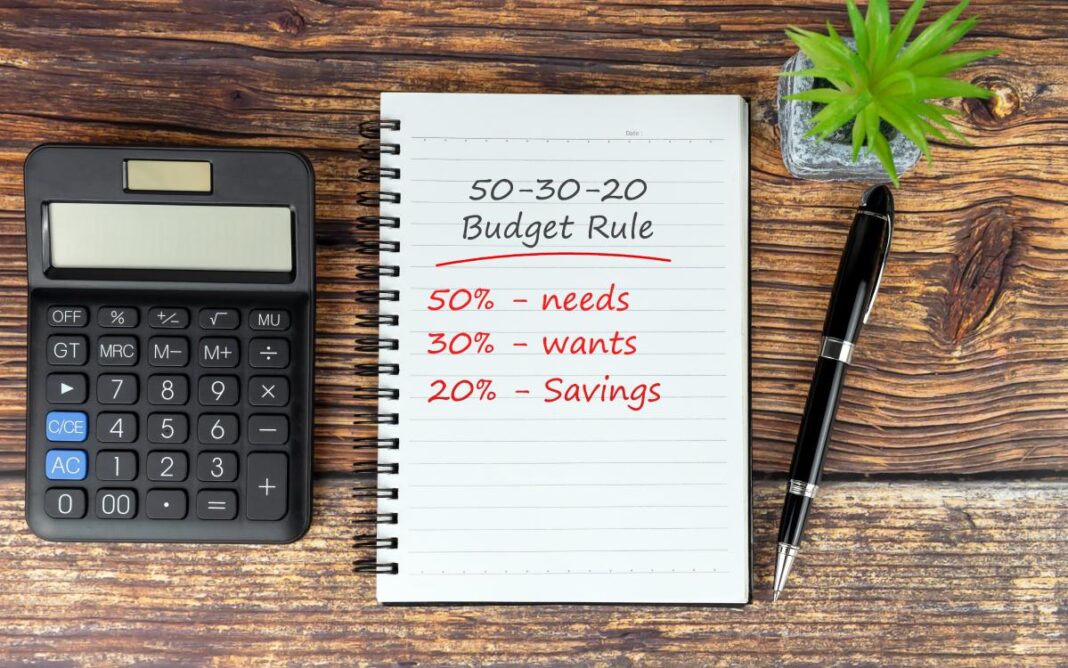
Managing your monthly salary can often feel overwhelming, especially with rising living costs, lifestyle pressures, and long-term financial goals that need steady planning. Whether you are just starting your career, supporting a family, or trying to build a long-term safety net, deciding how much to save, spend, or invest can be confusing. Many people end up overspending without realizing it, while others save too little because they lack a clear budgeting strategy. One simple, practical, and widely trusted method that brings clarity to personal finances is the 50-30-20 rule.
This budgeting rule is popular among salaried individuals across India because it is easy to follow, flexible, and effective for most income levels. It divides your take-home salary into three major categories—needs, wants, and savings—making it easier to track where your money is going and ensuring you stay financially disciplined.
Understanding the 50-30-20 Rule
The 50-30-20 rule does not require complicated calculations, expert-level financial knowledge, or time-consuming tracking. All it asks is to divide your monthly take-home salary into three straightforward sections:
50% for needs, 30% for wants, and 20% for savings and investments.
By allocating percentages rather than fixed amounts, the rule adapts easily to any salary level, making it a reliable budgeting system whether you earn ₹25,000 a month or ₹2 lakhs.
50 Percent for Needs
Half of your salary should ideally be spent on essentials—expenses you must pay to live a stable, comfortable life. These are non-negotiable costs that are part of your daily functioning. Common examples include:
- Rent or home loan EMIs
- Groceries and daily food supplies
- Electricity, gas, and water bills
- Transportation (fuel, metro, bus, cabs)
- School or college fees
- Insurance premiums
- Medical expenses
- Basic household items
These essential expenses form the foundation of your monthly budget. If they exceed 50 percent of your income, it may indicate that your fixed costs are too high. This often happens in metro cities like Mumbai, Bengaluru, or Delhi, where rent can take up a significant portion of your salary. In such cases, you may need to make practical adjustments like reducing discretionary spending, finding a more budget-friendly accommodation option, or identifying non-essential expenses that can be trimmed.
The goal is not to restrict your comfort but to prevent essential costs from consuming your entire salary. Keeping needs at or around 50 percent ensures you have enough room for lifestyle spending and, most importantly, savings.
30 Percent for Wants
The next 30 percent of your salary is dedicated to wants—expenses that are not mandatory but enhance your quality of life. These are lifestyle-based choices that bring joy, convenience, or entertainment. Some common wants include:
- Dining out
- Entertainment and OTT subscriptions
- Shopping for clothes or accessories
- Vacations and weekend getaways
- Hobbies and leisure activities
- Upgrading gadgets like phones or laptops
- Home décor or comfort upgrades
This category brings balance to your financial life because it allows you to enjoy your earnings without guilt. The 30 percent limit ensures that lifestyle expenses do not spiral out of control—something many people struggle with due to impulse spending, peer influence, or the desire to maintain a certain standard of living.
Wants make life enjoyable, but keeping them within 30 percent protects your financial stability and prevents unnecessary debt.
20 Percent for Savings and Investments
The final 20 percent is the most crucial part of your budget—it builds your future. This portion goes toward savings, wealth creation, and financial protection. It may include:
- SIPs in mutual funds
- PPF or NPS contributions
- Recurring or fixed deposits
- Emergency fund savings
- Loan prepayments
- Retirement planning
- Investments for long-term goals (child’s education, home purchase, etc.)
This 20 percent allocation creates a financial buffer that helps you stay prepared for emergencies, unexpected expenses, and major life milestones. For Indians, having a reliable mix of savings and investments is especially important, as we often support extended families, plan for children’s education, and aim for a comfortable retirement.
Consistently setting aside this 20 percent can help you build wealth over time and reduce financial stress during uncertainties.
Why the 50-30-20 Rule Works
The strength of the 50-30-20 rule lies in its simplicity and structure. It offers a clear plan for managing your salary without complex tracking methods. Some key reasons it works so well include:
- Prevents overspending by setting spending boundaries
- Ensures consistent savings month after month
- Helps you understand spending patterns
- Keeps lifestyle choices in balance
- Reduces financial anxiety with long-term planning
- Adapts to different income levels and lifestyles
It teaches you to prioritize essentials, enjoy life wisely, and save regularly—three pillars of strong personal finance.
The Bottom Line
There is no perfect formula for financial planning, but the 50-30-20 rule provides a simple and effective foundation to manage your monthly salary. By prioritizing needs, controlling wants, and committing to consistent savings, you can build financial security and confidently work toward your long-term goals. Even small adjustments today can lead to a stronger, more stable future.