
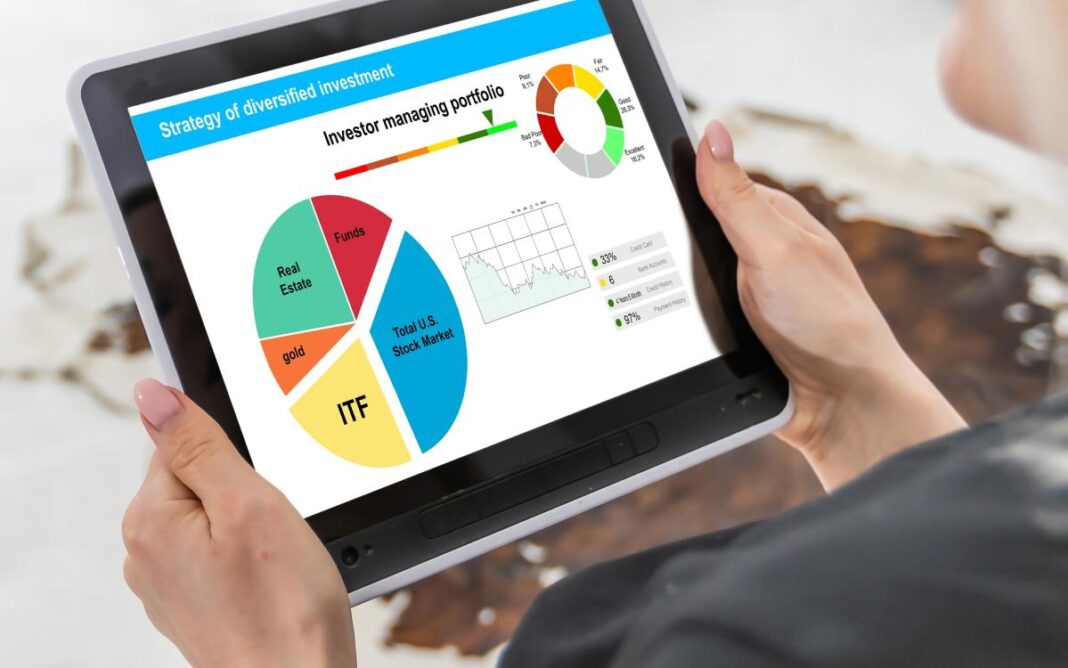
A well-diversified investment portfolio helps reduce risk and creates more stable long-term growth. In India, many investors rely on limited products such as fixed deposits, gold, or real estate, but financial markets today offer a wider range of choices. By spreading money across different assets, market ups and downs become easier to manage. Diversification helps balance risk, create steady returns, and support financial goals over time. As India’s financial landscape expands, understanding how to build a diverse portfolio has become important for families, working professionals, business owners, and long-term savers.
What Diversification Means
Diversification means spreading investments across different assets so that no single market movement affects total wealth too strongly. When one asset performs poorly, another may perform better, helping balance overall returns. In simple terms, diversification acts like a safety net. It does not remove risk completely, but it reduces the impact of unexpected market changes. For investors, the variety of available options makes diversification easier and more effective than ever before.
Equity Investments
Equity is a popular choice for long-term growth. Shares represent ownership in a company and offer the chance for higher returns. However, equity also carries higher volatility. Investors often choose:
Direct Stocks
Buying shares of listed companies on Indian stock exchanges. This option requires research and understanding of the business.
Equity Mutual Funds
Professionally managed funds that invest across sectors and market segments. These funds reduce company-specific risk and suit long-term wealth building.
Index Funds and ETFs
Funds that track major indices such as Nifty 50 or Sensex. These options offer low-cost, diversified exposure to the overall market.
Including some equity in a portfolio supports long-term growth, especially when held over many years.
Debt Investments
Debt instruments offer stable and predictable returns. These options help reduce overall risk and bring balance to a portfolio. Common debt products in India include:
Fixed Deposits (FDs)
Safe and simple, preferred by many households for guaranteed returns.
Public Provident Fund (PPF)
A long-term government-backed scheme with tax-free interest.
Government Bonds and RBI Floating Rate Bonds
Backed by the Government of India, suitable for stable income.
Debt Mutual Funds
Funds that invest in corporate bonds, government securities, and money market instruments.
Debt products protect the portfolio during volatile equity market phases, making them an essential part of diversification.
Gold and Precious Metals
Gold has always played a cultural and financial role in India. It works as a hedge against inflation and economic uncertainty. Ways to include gold in a portfolio:
- Physical Gold: These include jewellery, bars, and coins
- Sovereign Gold Bonds (SGBs): Government-backed bonds offering interest and long-term price appreciation.
- Gold ETFs and Gold Mutual Funds: Digital forms of gold investment without storage worries.
Gold’s steady value during uncertain times helps stabilise overall returns.
Real Estate
Real estate continues to be a major part of Indian household wealth. Property investments offer long-term appreciation and rental income. However, real estate also requires high capital and involves ongoing costs such as maintenance and taxes.
A modern alternative is Real Estate Investment Trusts (REITs), which allow investment in commercial property with small amounts. REITs provide income in the form of dividends and offer greater liquidity compared to physical property.
Real estate adds an important physical asset layer to a diversified portfolio.
Alternative Investments
New investment options have emerged as digital platforms expand. Popular alternatives include:
- Digital Gold
- Peer-to-Peer Lending (P2P)
- International Equity Funds
- Commodity Funds
These assets often behave differently from traditional markets and help reduce overall portfolio risk when used in moderation.
Balancing Risks and Returns
A diversified portfolio requires the right mix of high-risk, medium-risk, and low-risk assets. The ideal mix depends on income stability, age, financial responsibilities, and long-term goals. For example:
- Younger investors may choose more equity for long-term growth.
- Middle-aged investors may prefer balance between equity and debt.
- Retired individuals often select safer options like bonds, SCSS, and PPF.
Although the exact ratio differs for every household, a blended approach helps protect wealth while allowing growth.
Periodic Review and Rebalancing
A portfolio needs regular review because market values keep changing. If equity grows faster than other assets, it may increase the overall risk level. Rebalancing means adjusting the portfolio back to the original plan by shifting some money from high-growth assets to stable ones. Regular reviews ensure that the portfolio stays aligned with financial goals, risk capacity, and life changes.
The Role of Financial Planning
Diversification becomes more meaningful when it fits into a larger financial plan. A strong plan includes:
- Emergency savings
- Short-term needs
- Retirement goals
- Tax-saving investments
- Insurance for protection
When these areas are covered, diversification helps build long-term stability and smooth growth.
Diversifying an investment portfolio helps reduce risk and create stable long-term growth. A balanced mix of different assets helps manage market ups and downs while supporting important financial goals. Periodic reviews and a clear financial plan further strengthen the benefits of diversification. As India’s investment landscape continues to expand, a well-diversified portfolio remains an essential part of secure and sustainable wealth building.